Our Programs
We live out our mission through our programs, helping children reach their unique potential.
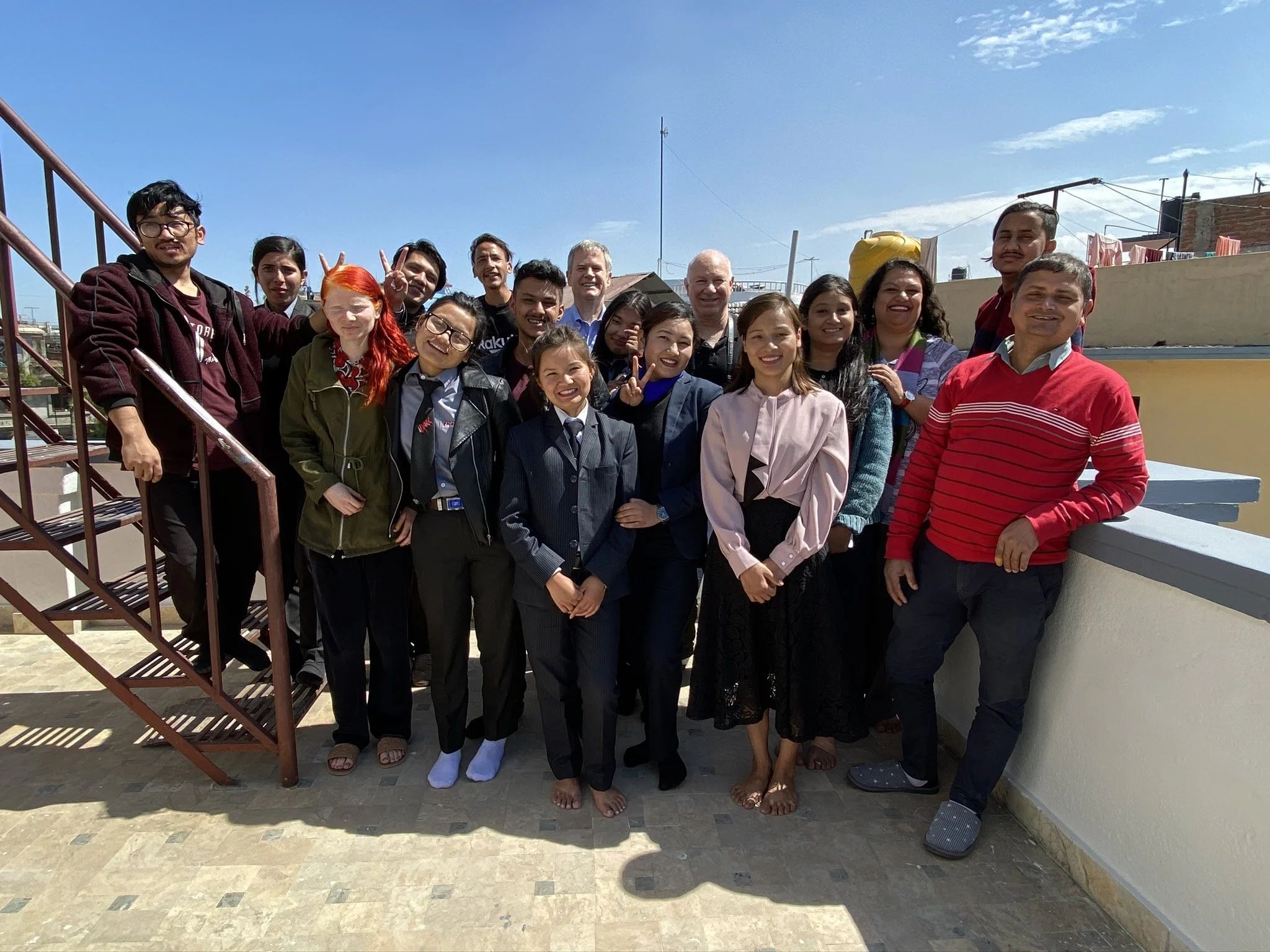
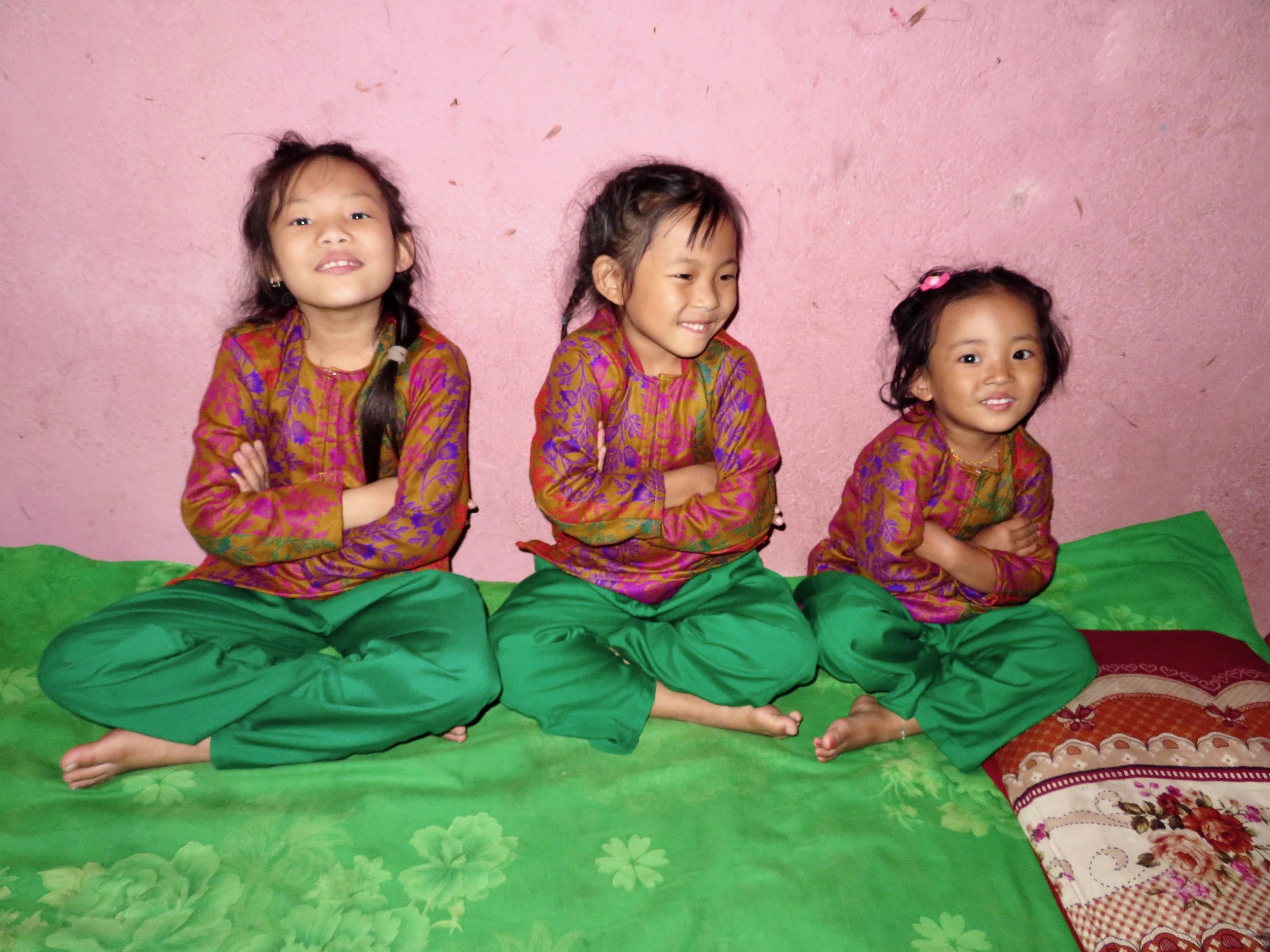
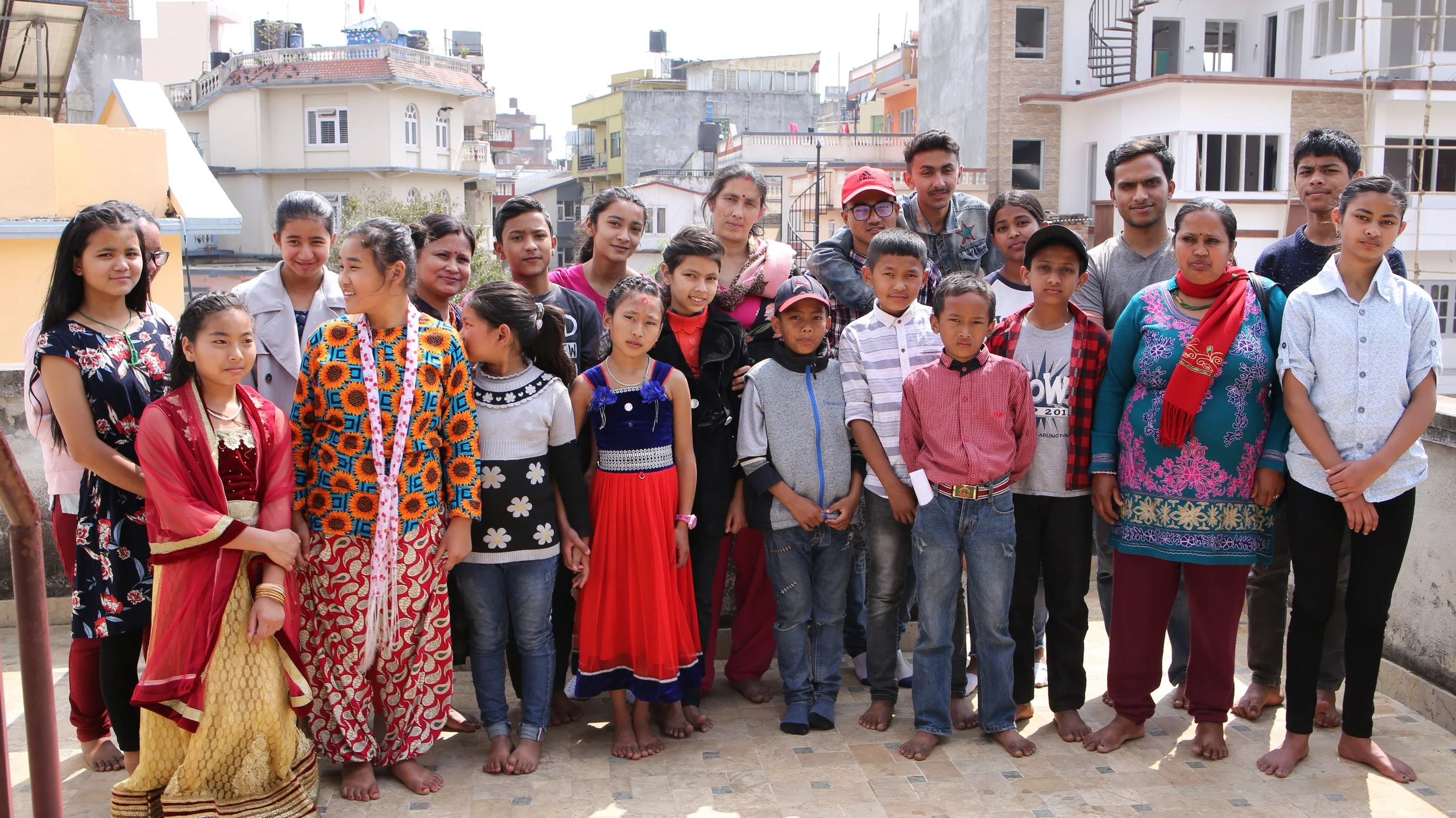
We serve children and young adults from 4 to 27 years old, spending time getting to know each child, meeting parents/guardians and understanding the child’s home situation. First, children in our programs must qualify as economically in need, according to government documentation. Then, with input from family, teachers and counselors, we evaluate and determine which school setting will be best. All the schools we work with are private and teach English, which is important for success in any career field. Some of our children need more academically-oriented programs while others need more technical, diverse, or special education. Some children need boarding school for structure, safety or well-being as the family cannot take care of them. Therefore, we match our children with schools that meet their individual needs and will help them become independent, self-sufficient adults. We support each child for an average of 14 years.
Interested in supporting us? Our programs rely on sponsorship. We foster connections between our sponsors and their sponsored children through letters twice per year, and every one of your sponsorship dollars go to our programs for children in Nepal. Learn more about our sponsorship process.
Number of Children by Program
Our Programs in Detail
Contact Center Program
Educating underprivileged children in Nepal presents significant challenges. Many children live in unsafe, unhealthy conditions and work to help support their families. They often lack school-readiness skills, face neglect, and suffer from malnutrition, all of which hinder their ability to learn.
To address these needs, the Contact Center Program operates through two centers located in the Baleju (since 2011) and Swayambhu (since 2024) neighborhoods of Kathmandu, Nepal. This program provides children aged 3 to 12 with an educational foundation in a nurturing, supportive environment modeled after the Montessori approach. Each center enrolls an average of 30 students who begin at the preschool level, learning basic skills such as reading, writing, and English. The program runs six days a week and offers hygiene education, healthcare, and two nutritious, protein-rich meals and snacks daily.
Learn more about our early childhood development programs.
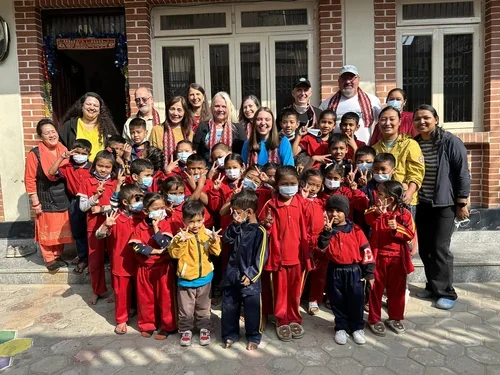
Contact Center, Baleju Neighborhood, since 2011
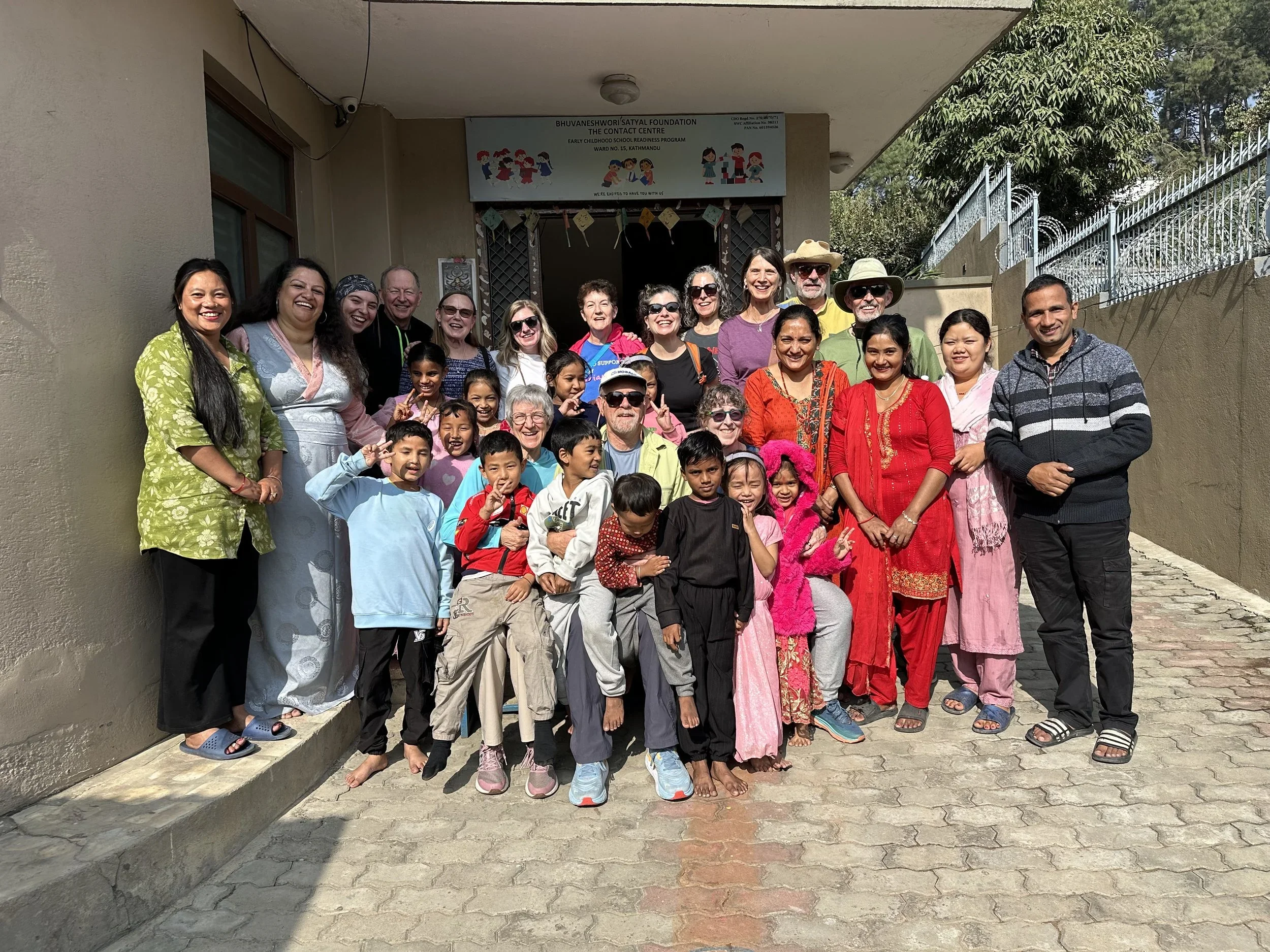
Contact Center, Swayambhu Neighborhood, since 2024
Elementary School & Boarding
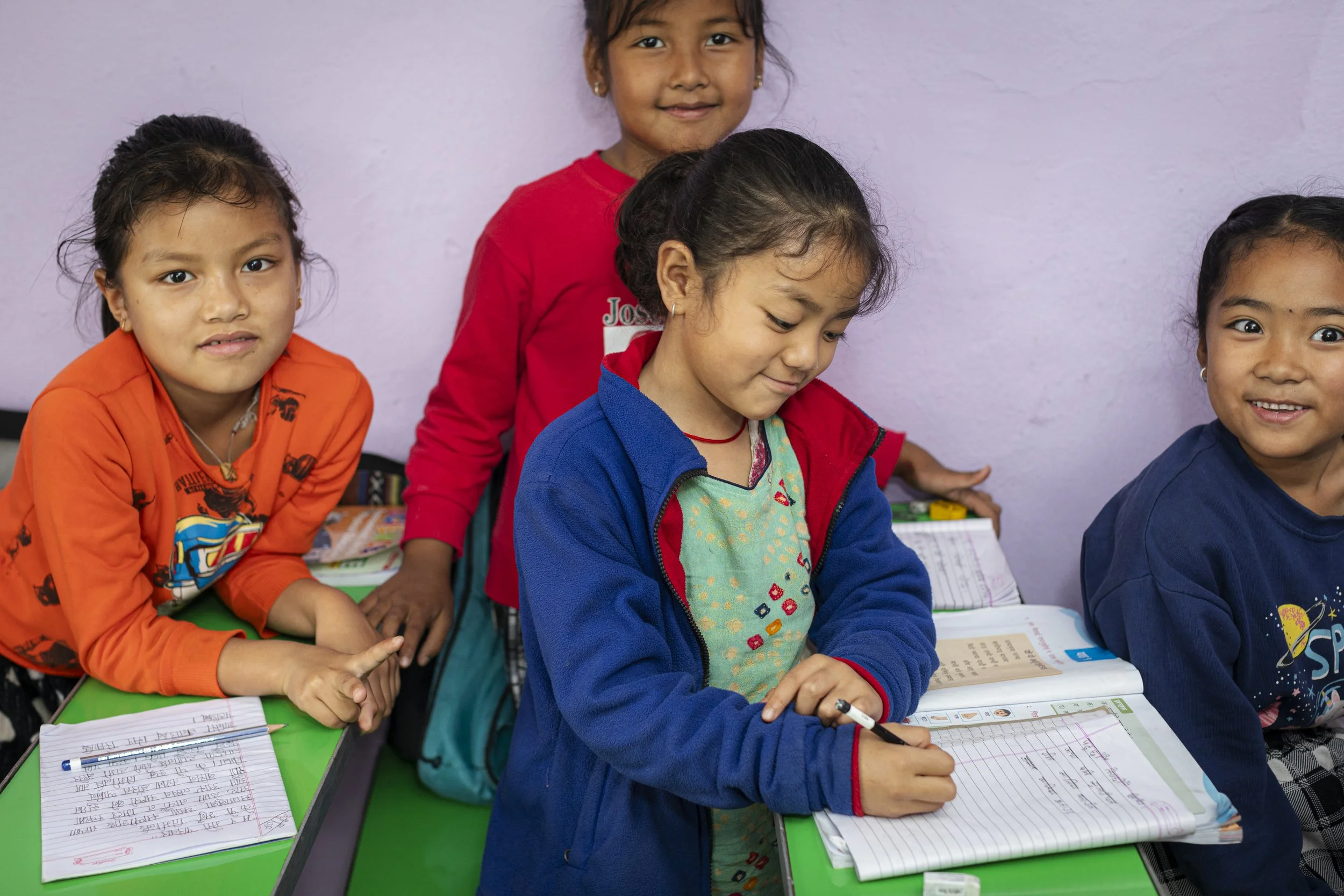
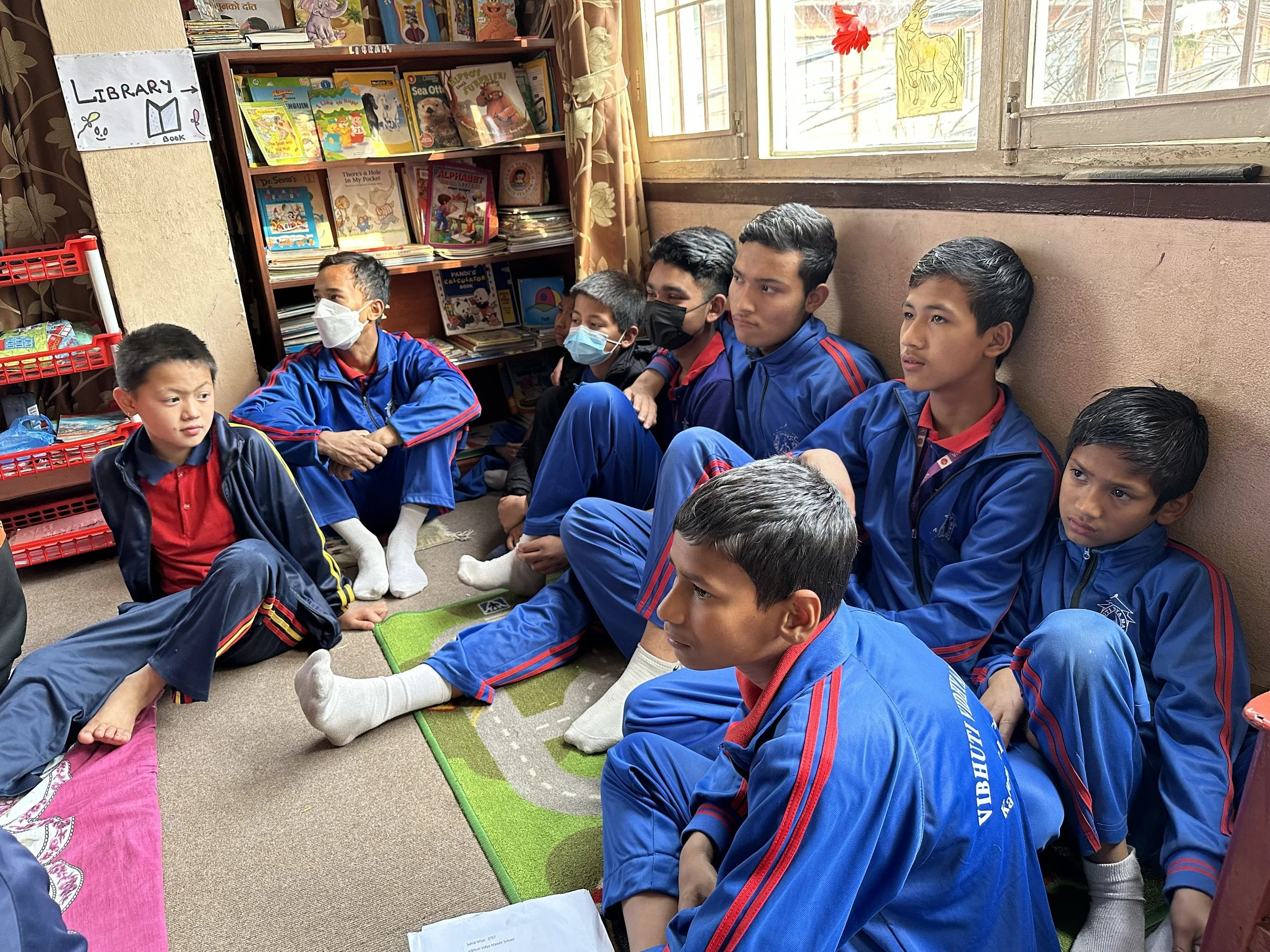
Our elementary and boarding school programs support children in grades 1–10 with the stability, care, and opportunity every child deserves. For underprivileged children who remain at home with a parent or guardian, our elementary school program provides tuition, fees, books, uniforms, activities, and medical care. Children in our boarding schools receive full support, including private school tuition, supplies, food, clothing, housing, medical care, and enriching extracurricular activities, when their parents or guardians are unable to care for them. Many of these caregivers are single, divorced, or abandoned women with limited education and few employment options, and this support ensures their children can continue their education with dignity, consistency, and hope for a brighter future.
11th/12th Grade College
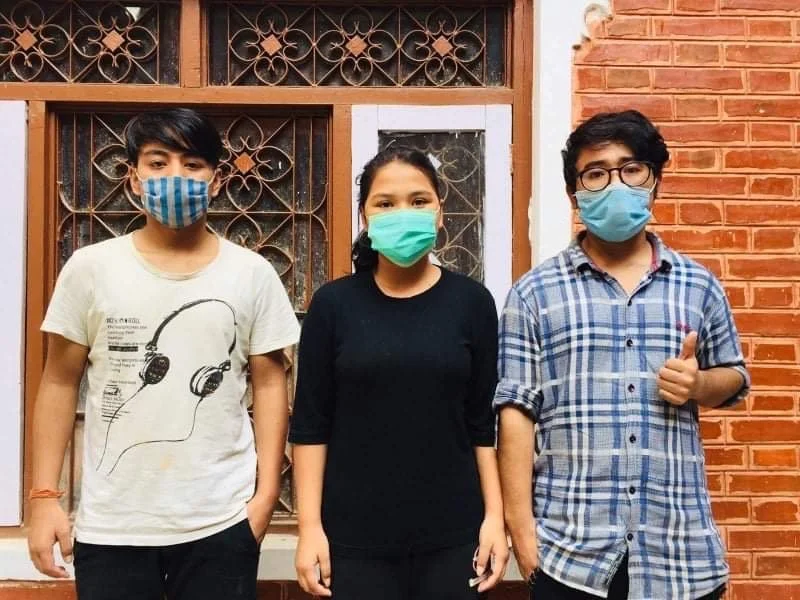
After graduating from 10th grade and passing the Secondary Education Exam (SEE), a child enters a private college or a specialized program in a desired area of study (medicine, business, science, social science, agriculture, tourism, etc.). We provide private school tuition and fees, housing as needed, healthcare, and other support services, such as career counseling, tutoring, and internships. 99.7% of our children pass the “Iron Gate” SEE Exam. This exam determines their future ability to attend any school past eleventh grade or obtain a degree. Learn more about how we prepare our children for the exam and their future careers.
University & Vocational
After graduating from 12th grade college, children apply to attend a bachelor's level or vocational school program. Some children live at home with family, while others who need housing support live in dormitories or group homes. We provide for private school tuition and fees, healthcare, and other support services such as laptops/cell phones, counseling, empowerment programs, and bridge classes. 100% of our children who have entered a university or vocational program have completed it and have begun working as teachers, doctors, chefs, business professionals, nurses, baristas, social workers, and travel and hotel service professionals.