
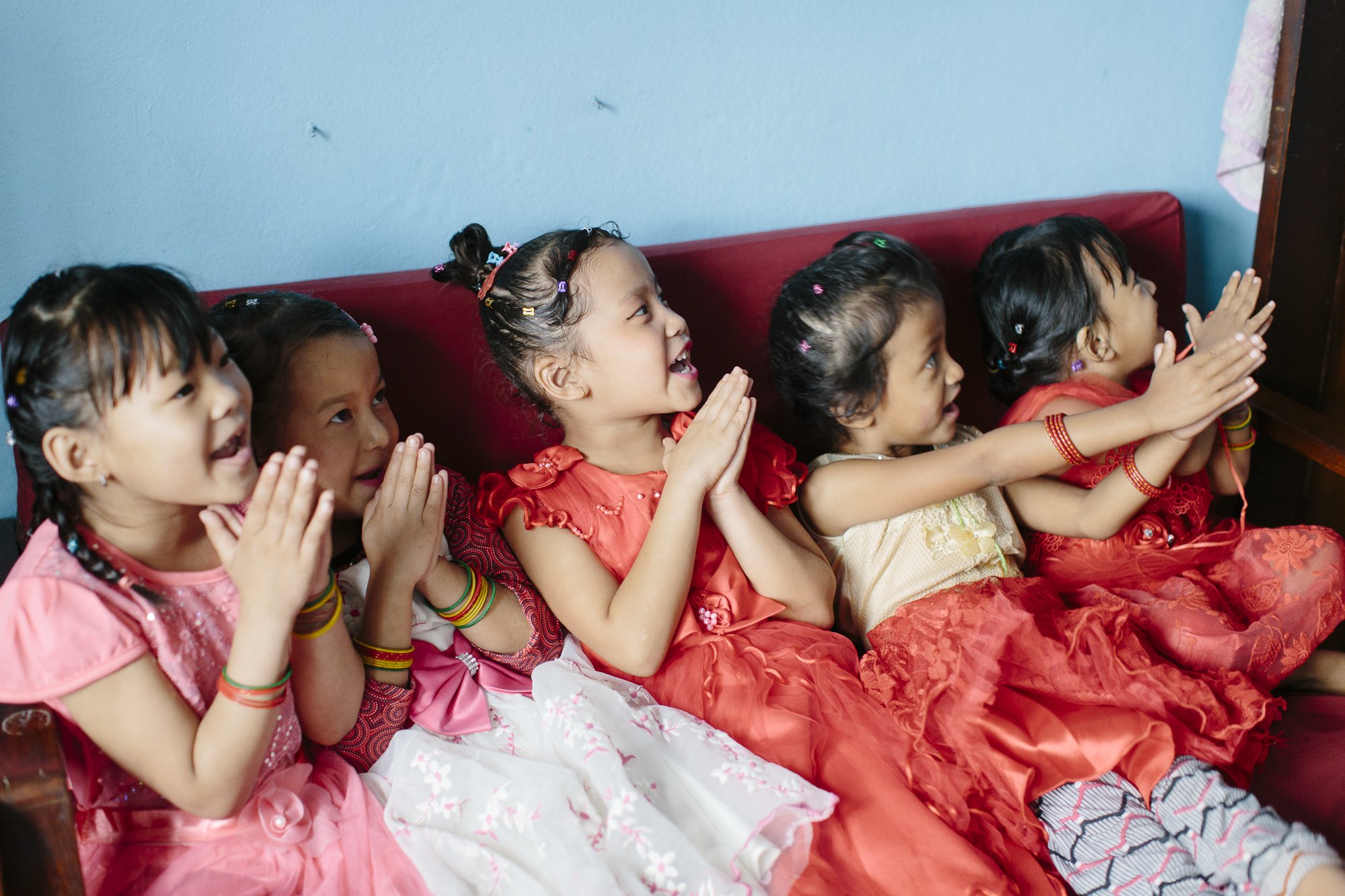
Early Childhood Education & Development
Educating poor children in Nepal is challenging. Many children live in unsafe, unhealthy homes and work to help support the family. Many children who are victims of child labor, or who have parents who are itinerant workers, are not enrolled in school. They lack school-readiness skills, are neglected and malnourished, all of which interferes with their ability to learn.
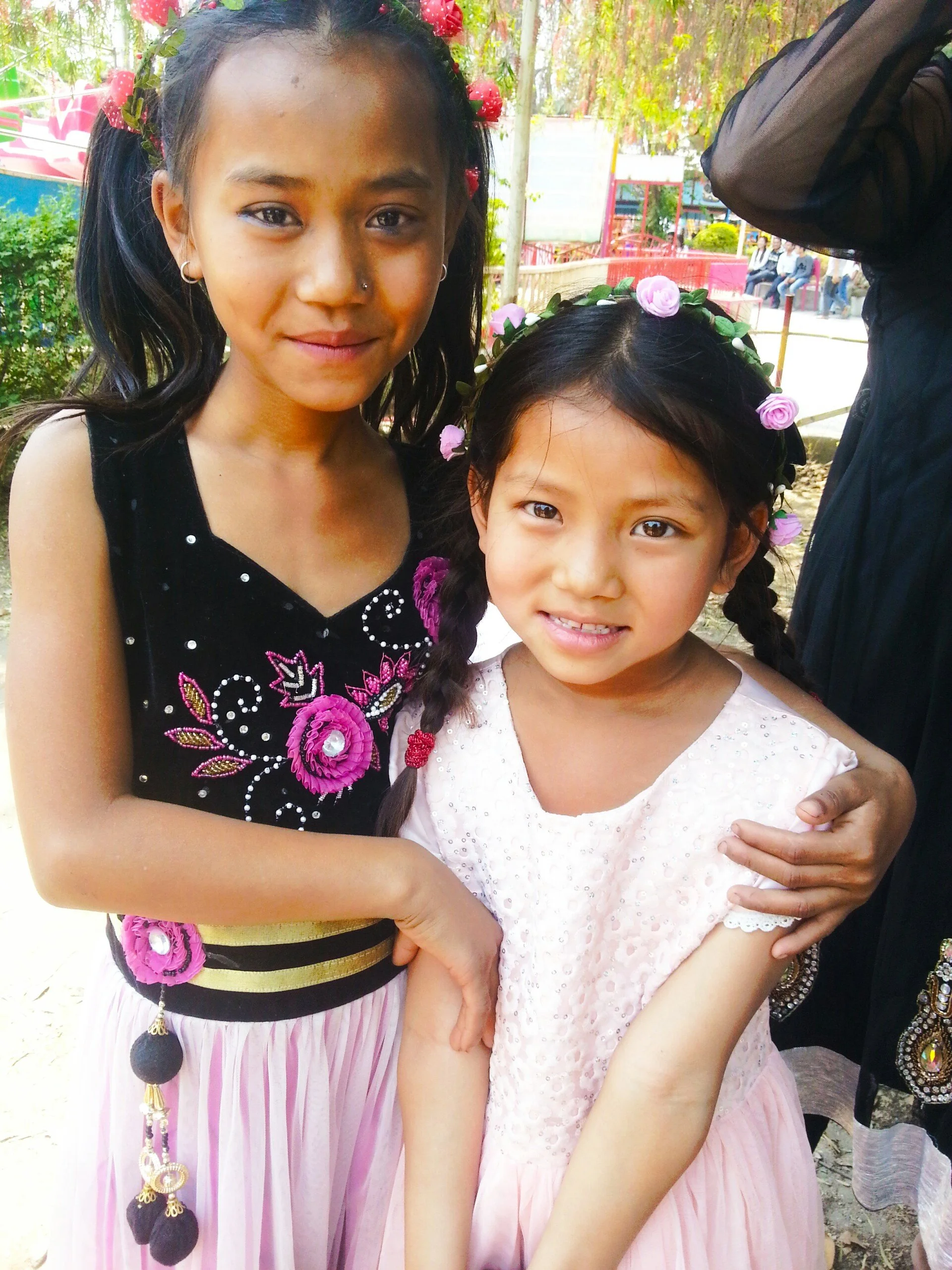
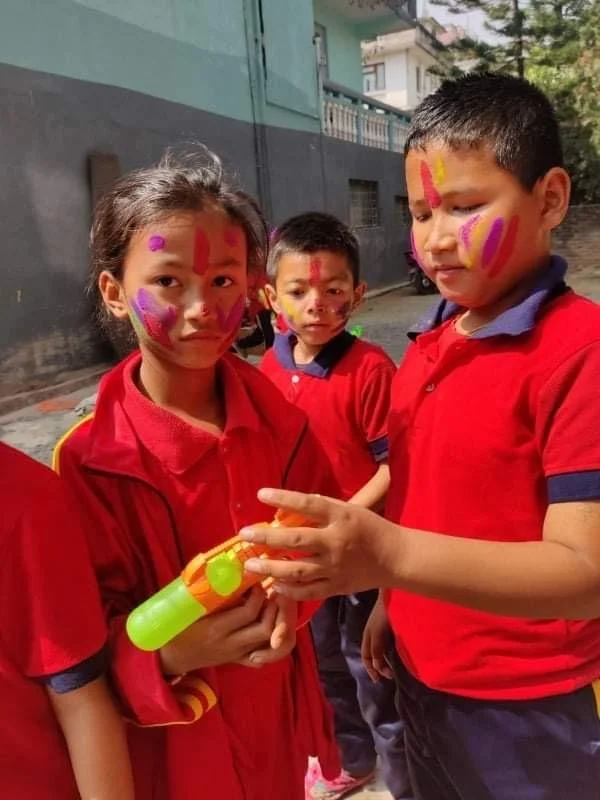
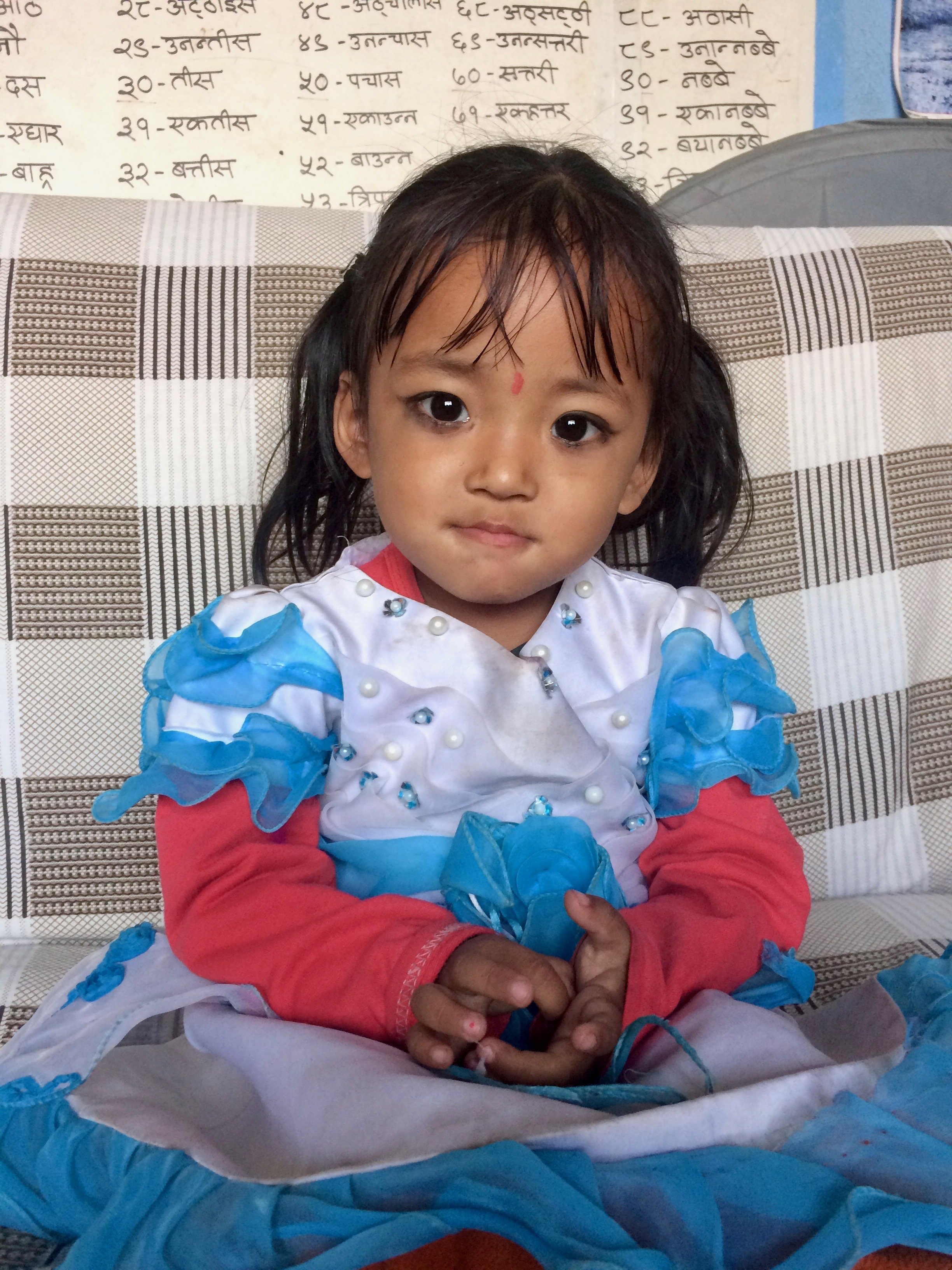
To address these needs, the Contact Center Program operates through two centers located in the Baleju (since 2011) and Swayambhu (since 2024) neighborhoods of Kathmandu, Nepal. This program provides children aged 4 to 12 with an educational foundation in a nurturing, supportive environment modeled after the Montessori approach. Each center enrolls an average of 30 students who begin at the preschool level and learn basic skills such as reading, writing, and English. The program runs six days a week and offers hygiene education, healthcare, and two nutritious, protein-rich meals and snacks daily.
Contact Center Playtime
Playtime is learning time for the children attending our rehabilitative day program. The Contact Center actively outreaches to street children and children of itinerant workers who have not attended formal school, need a safe place to spend the day and benefit from high-protein meals. The children remain in the program for up to two years, acquiring the skills needed to begin elementary school and then enroll in private schools to continue their education.
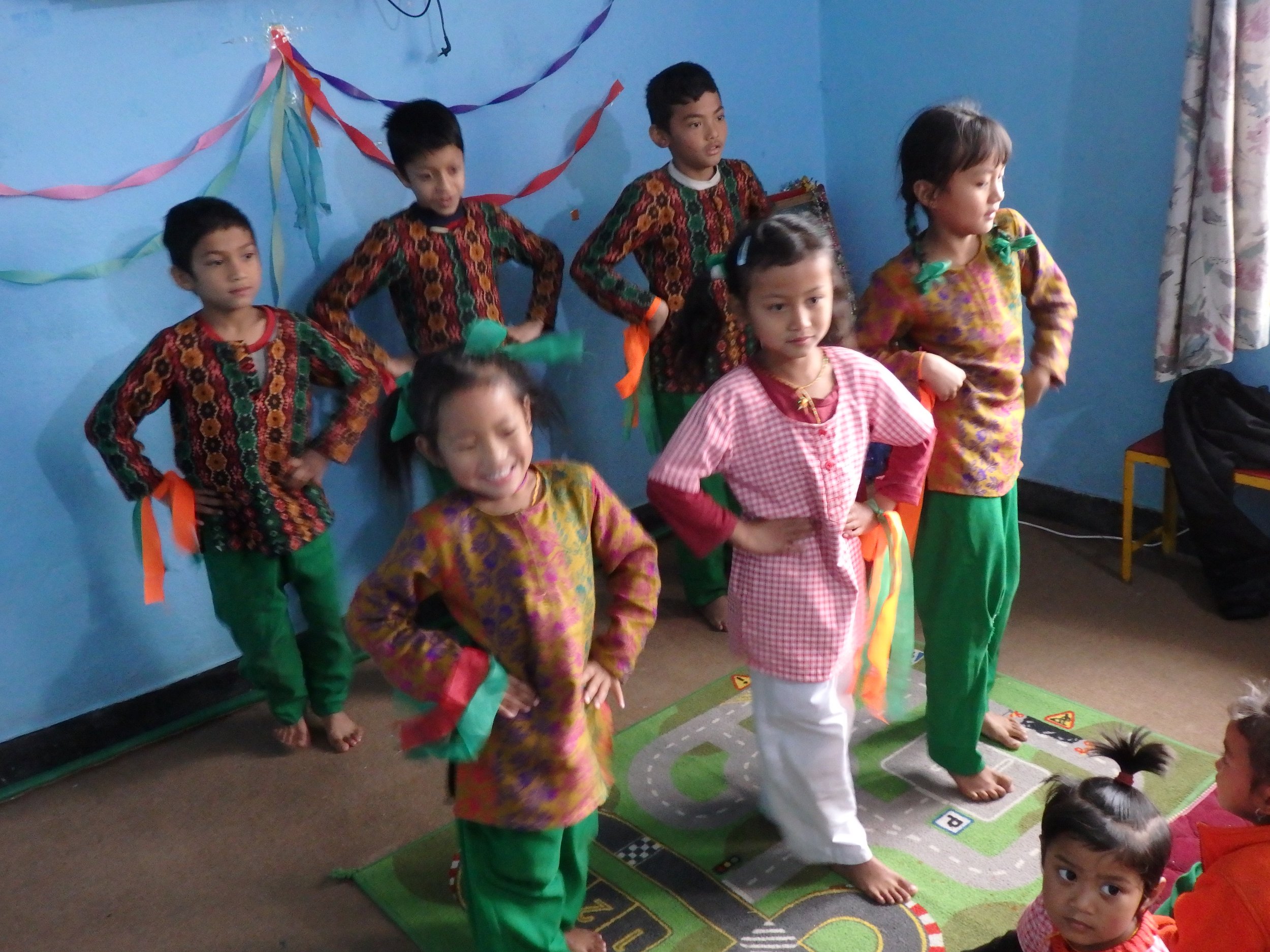
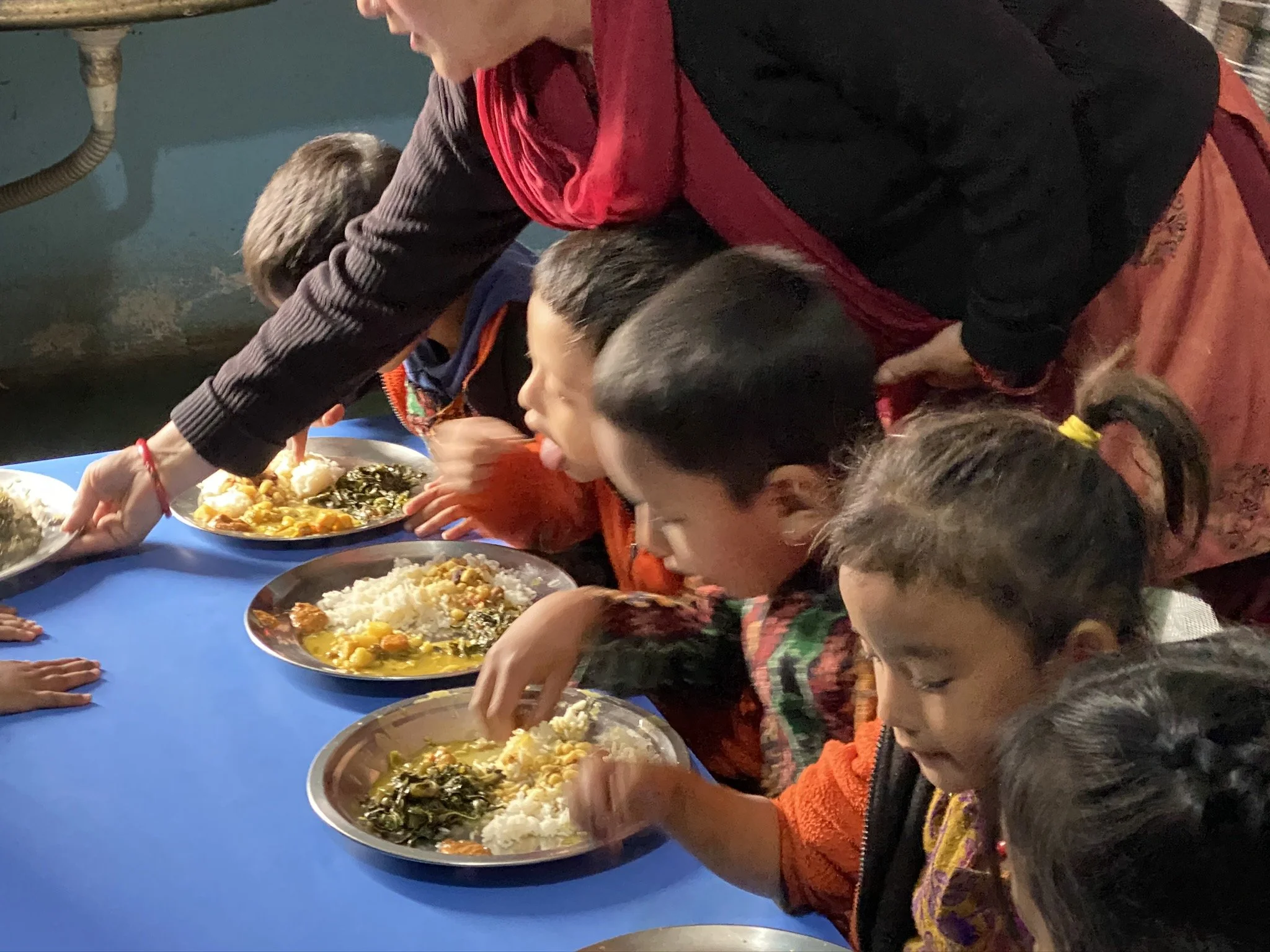
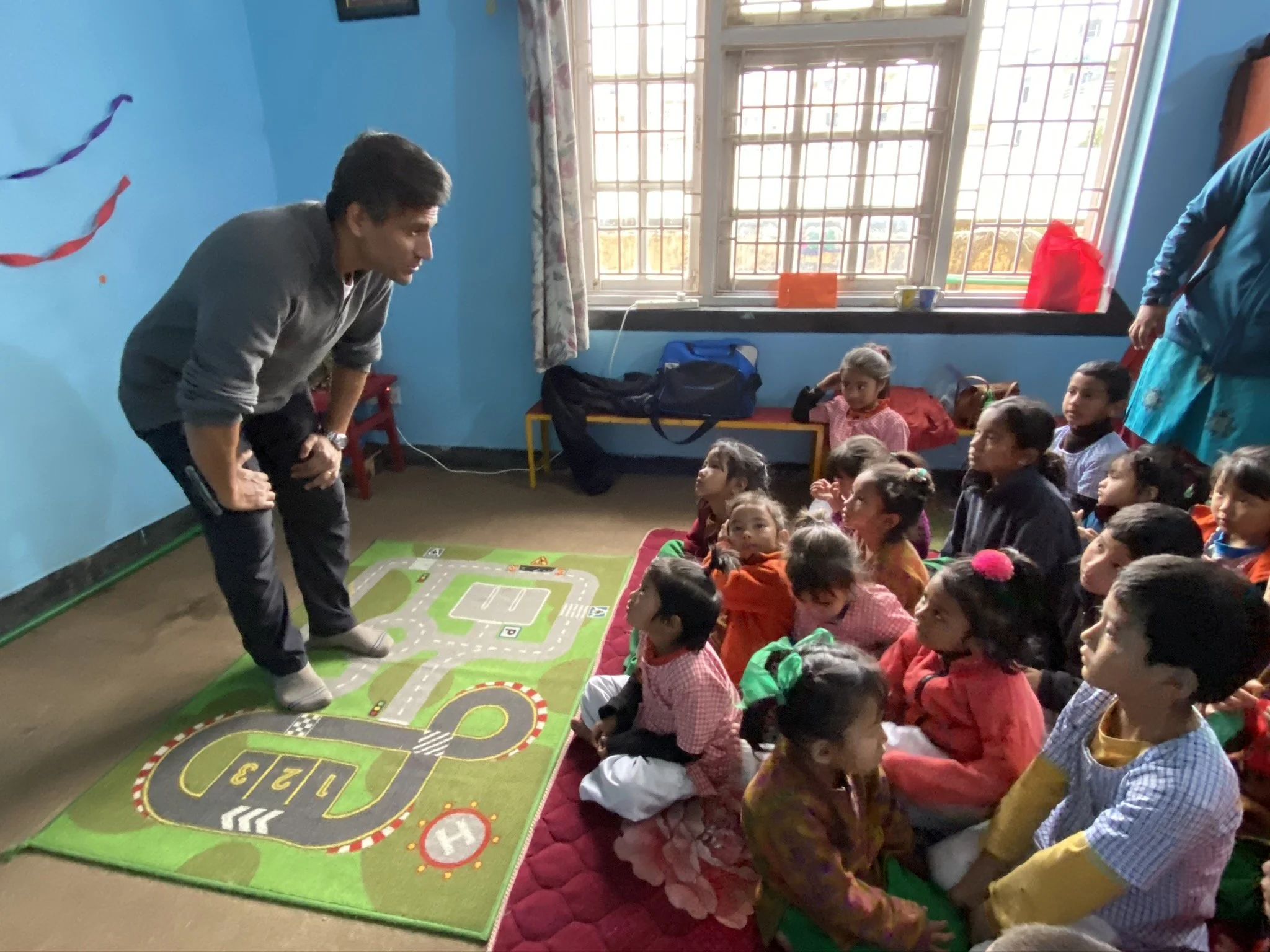
After 18-24 months, many of these children are ready to enter the school system and after testing are placed in second or third grade. Even children who prematurely leave the Contact Center have benefited from a nurturing environment, nutrition, healthcare and an educational foundation. The Contact Center serves as a source of new children to enter into our sponsorship program. In 2017 five children graduated from the Contact Center and were placed in private schools. Currently, however, there are more young children in need in the Kathmandu area than we can host at our Contact Center. This is why we are expanding to serve more children during this critical period of development.
